






Common Pitfalls to Avoid When Launching Your Business
Launching a successful inflatable rental enterprise requires strategic planning and industry foresight. While the business model is highly profitable, early missteps can hinder your growth. By conducting thorough market research, establishing a clear target demographic, and securing proper financing, you can mitigate these initial risks.
Below are the most common mistakes new operators make and proven strategies to circumvent them:
1. Underestimating Initial Inventory
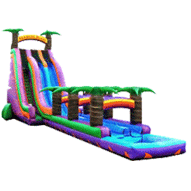
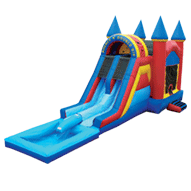
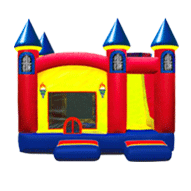
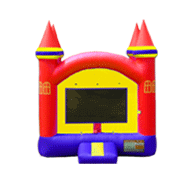
While launching with a conservative inventory seems practical, a severely limited fleet restricts your return on investment (ROI) and makes it difficult to capture market share. Analyze the units your local competitors offer and procure a lineup that allows your brand to stand out. If you are uncertain where to begin, standard bouncers remain a highly popular, cost-effective foundation for any new rental fleet.
2. Compromising on Quality
In the rental industry, your equipment is your primary ambassador. Put your best foot forward by investing in premium, commercial-grade inflatables that guarantee user safety and product longevity. This commitment to quality must extend to all facets of your operations: secure a professionally designed logo, develop a highly functional website, and acquire comprehensive liability insurance. Cutting corners on equipment or marketing collateral will ultimately cost you more in repairs, replacements, and lost reputation.
3. Neglecting Market Research
Sustainable success requires an intimate understanding of your operational territory. You must deeply analyze your local demographics, including neighborhoods, school districts, churches, and park systems. Because word-of-mouth referrals account for 60–70% of bookings in this industry, identifying and networking within these key community hubs is essential for reaching your target audience effectively.
4. Ignoring the Competitive Landscape
Just as you must understand your consumer market, you must actively monitor your competitors. Document their inventory, pricing structures, marketing channels, and primary service areas. By analyzing their operational footprint, you can identify unmet market demands and strategically position your business to offer superior value and service.
5. Operating Without a Formal Business Plan
It is remarkably difficult to make prudent investments and scale consistently without a documented strategy. A comprehensive business plan should serve as your roadmap, detailing your operational budget, revenue projections, pricing strategy, competitive analysis, and growth timeline. Taking the time to build this foundation ensures you can set and achieve measurable performance goals.
6. Failing to Delegate
A strong entrepreneurial spirit is vital, but running a profitable rental operation is rarely a sustainable solo endeavor. The combination of physical labor and administrative management can quickly lead to burnout. Build a reliable support system early on. Whether you hire contractors or enlist the help of family and friends, developing a team will allow you to focus on business development and strategic growth.
7. Inadequate Capitalization
A healthy business requires sufficient financial runway to navigate the startup phase. Ensure you retain adequate working capital after your initial expenditures—which typically include inventory procurement, marketing assets, and insurance premiums. You will encounter operational expenses before your rental revenue stabilizes, so proper cash flow management is critical. If you need guidance on equipment financing, our team is available to explore viable options with you.
8. Undervaluing Your Services
While your pricing must remain competitive, it should accurately reflect the premium quality of your inventory and service. Avoid the temptation to aggressively underprice competitors to win early business; this often leads to an unsustainable "race to the bottom." Establish your rates by balancing market demand, your superior customer service, and your operational margins.
9. Ineffective Marketing and Branding
Your local market cannot rent from you if they do not know you exist. A proactive, creative marketing strategy is essential, particularly during your launch phase. Because the vast majority of clients will begin their search online, investing in a professional, search-optimized website is your highest marketing priority. Complement your digital presence with high-quality physical collateral—such as business cards and brochures—to distribute during community networking events. Ensure your business plan includes a dedicated marketing budget to sustain these efforts.


